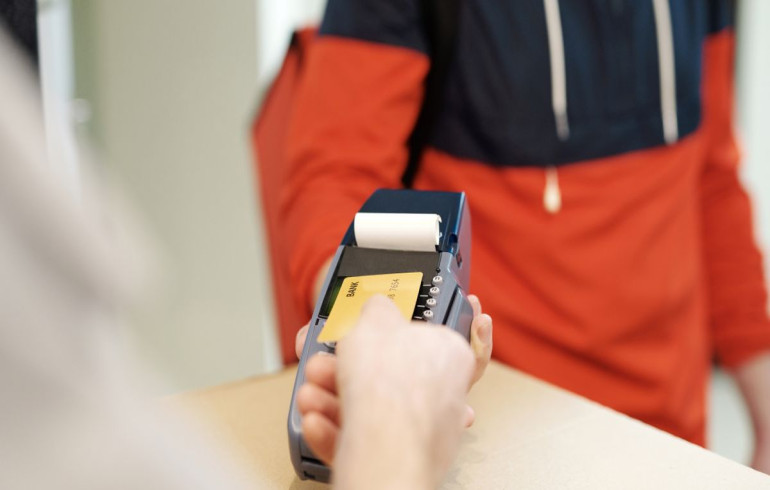


Tipping in New York is customary, and a practical starting point for restaurant table service is 20% of the bill before tax. Check for an included gratuity before adding anything, use a card where the venue supports it, and keep some US Dollars (USD) in smaller notes for individual cash tips. The right cash amount depends on your plans, rather than a fixed daily allowance.
A gratuity is a tip for service. A service charge is an amount the business adds to the bill; ask what it covers rather than assuming the label means the same thing everywhere. This guide helps you read the bill, choose how to pay and build a tipping allowance without counting the same tip twice.
How much should you tip in New York?
NYC Tourism + Conventions publishes customary amounts, including 20% before tax for table service and 15–20% of the fare for taxis and rideshares. These are visitor guidelines, rather than a universal mandatory percentage. A venue may have its own disclosed charging or no-tipping policy, so read its menu and bill.
Customary tipping amounts in New York
On a narrow screen, scroll the table sideways to see all columns.
| Situation | Planning guide | Check before paying |
|---|---|---|
| Restaurant table service | 20% of the pre-tax bill | Has a gratuity already been included? |
| Bar | $1–$2 per drink, or 18–20% on a tab | Use the drinks or tab approach, without counting both |
| Simple counter-service coffee | Optional | A screen prompt does not make a tip compulsory |
| Taxi or rideshare | 15–20% of the fare | Check the final fare and any tip already entered |
| Hotel bell staff | $1–$2 per bag | Is someone carrying your bags? |
| Hotel housekeeping | $5–$10 per day | Confirm service arrangements and any included gratuity |
Source: NYC Tourism + Conventions, checked 25 November 2026. Amounts describe customs, not guaranteed prices or requirements at every venue.
For hotel-specific context, the New York City Association of Hotel Concierges also explains tipping for bell staff, door staff and housekeeping. If a charge on your booking is unclear, ask the hotel before deciding what extra to leave.

Tipping in NYC restaurants: read the bill first
Before reaching for the percentage buttons, identify three things: the food-and-drink subtotal, the tax and any gratuity already charged. The subtotal is the amount before additions. A suggested tip printed beneath the total may be a calculation to help you, rather than money already added.
Read the line items as well as the large number at the bottom. If the bill contains an unfamiliar charge, a useful question is: “Does this cover the gratuity for our service, or is that separate?” Ask before paying so you can make an informed decision.
The NYC consumer protection guide for tourists says certain restaurant service or required fees must be disclosed on the menu or signage. A charge appearing on the receipt is a reason to check its explanation, rather than automatically adding another percentage or removing it yourself.
An annotated example bill
This is an illustrative calculation, not a real restaurant receipt or a suggested meal budget. It uses an $80 taxable food-and-drink subtotal and NYC's published 8.875% sales tax. Real tax treatment and charges depend on what you buy.
Illustrative $80 restaurant bill in US Dollars
On a narrow screen, scroll the table sideways to see all columns.
| Example line | Amount in USD | What it means |
|---|---|---|
| Food and drink subtotal | $80.00 | Base used for this tip calculation |
| Sales tax at 8.875% | $7.10 | Tax, separate from the tip |
| Total before a voluntary tip | $87.10 | Subtotal plus tax |
| Your chosen 20% tip on $80 | $16.00 | $80 × 0.20 |
| Total including that tip | $103.10 | $87.10 + $16.00 |
The tax figure follows NYC Tourism's sales-tax guidance. The arithmetic is ACE-FX's worked example. If a gratuity is already included, this table is not an instruction to add a further $16.
If you pay the $87.10 bill by card and leave the $16 tip in cash, your combined spend is still $103.10. Keep the card and cash entries separate in your budget. That simple split is more useful than treating every tip as another card expense and then adding a cash allowance on top.
Service charge vs gratuity in New York
Use the wording on the menu, booking confirmation and receipt together. “Gratuity included”, “service charge” and “suggested gratuity” deserve different questions. Do not assume a separate delivery, administration or hotel charge settles the tip for the person helping you.
Work through this short check:
- Find any included amount and its description on the bill.
- Compare it with the menu or booking terms.
- Ask whether it covers gratuity and whether an extra tip is expected.
- Decide whether you want to add anything, then check the final total.
Keep the receipt if a charge needs explaining later. For a disputed charge, speak to the venue first; the city's tourist consumer guide provides a route for reporting business problems. This article does not decide the legal status of an individual bill.
Should you tip in cash or by card in New York?
Use the method that works for that transaction. Paying a restaurant bill by card and tipping in cash can be convenient, while adding a tip through the venue's card process can reduce the cash you need to carry. Confirm the process before the payment is completed.
With a card, check whether a suggested percentage uses the subtotal or a larger total. If you prefer to calculate your own amount, look for a custom option or ask staff how to enter it. Keep your copy of the receipt and compare it with the final amount charged.
With cash, separate the bill payment from the tip so your intention is clear. Small notes are easier to allocate than a large note when you only want to leave a few dollars. Do not depend on a venue being able to change a large note just when you need it.
For the wider currency decision, our US Dollar travel currency guide explains the travel-money context. Keep your tipping allowance within the wider trip budget.

NYC taxi tips and hotel cash
For a licensed yellow taxi, the TLC passenger bill of rights confirms that you can pay by cash, credit or debit card and decide whether and how much to tip. This specific right applies to yellow taxis; do not assume every private transfer uses the same payment process.
At the end of the ride, check the fare and tip separately. If you leave cash after paying the fare by card, check that you have not also entered a card tip. Take the receipt, particularly if you need to query the fare or identify the taxi later.
For hotel tips, organise small notes before you need them. Ask how housekeeping operates during your stay and how to identify a tip clearly. An included hotel charge and a voluntary tip are separate budget lines until the hotel has explained otherwise.

Build a cash tipping allowance for your own trip
Start with your itinerary. Write down the services you expect to use, mark which tips you plan to pay in cash, and count each once. Add ordinary cash spending and a reserve you choose separately. You do not need to turn every meal, ride and hotel interaction into a cash transaction.
Personal cash-planning worksheet
On a narrow screen, scroll the table sideways to see all columns.
| Worksheet line | Your calculation | Include in cash total? |
|---|---|---|
| Restaurant tips | Planned subtotals × chosen percentage | Only the tips you will leave in cash |
| Hotel tips | Service occasions × amount you choose | Yes, where you plan a cash tip |
| Taxi tips | Planned fares × chosen percentage | Only cash tips; exclude tips paid by card or app |
| Other cash spending | Your own planned purchases | Yes, without repeating meals or fares already counted |
| Reserve | A separate amount you choose | Count once |
Your cash total is the cash portion of those lines, plus your reserve. It is not the total cost of the holiday. Review it when plans change, especially if a meal or transfer already includes gratuity.
You can explore ACE-FX's Buy Travel Money service as part of your preparation. For US currency, check the current Buy US Dollars page; rates change through the day. Confirm denomination availability with the store rather than assuming a particular mix of notes can be supplied.
Questions about tipping in New York
Do you have to tip 20% in New York?
NYC Tourism gives 20% before tax as the standard for restaurant table service. It describes tipping as customary rather than mandatory; separately, check any included charge and the venue's policy.
Do you tip before or after tax in NYC restaurants?
The tourism board's table-service guidance uses the pre-tax bill. In the example above, that makes the 20% tip $16 on an $80 subtotal, rather than a calculation on $87.10.
Can I pay by card and leave the tip in cash?
Ask the venue to confirm its payment process. If you do this, check that you have not added a card tip as well and record the cash tip once in your spending plan.
Does a service charge mean the tip is included?
Ask what the charge covers instead of relying on the label alone. Check the menu or booking terms and confirm whether the venue expects any additional gratuity before choosing an extra amount.
Must I choose one of the taxi screen's suggested tips?
For yellow taxis, TLC confirms your right to decide whether to tip and how much. Ask how to enter your chosen amount if the screen is unclear, then check the final total.
How many small Dollar notes should I take?
Use your own hotel, taxi and dining plans to work out the cash portion of your tips. There is no single number in this guide for every traveller, and any requested denomination mix needs checking with the currency provider.
Get your Dollars organised before you go
Once you have worked out your cash needs, consider Click & Collect: order and pay online, then collect your currency at one of our London stores. Check the current collection instructions before ordering and ask about smaller notes for your planned tips.
Leave yourself time to read the bill in New York, too. Check the subtotal, identify included charges, choose your tip and confirm the final amount before you pay.