 Since 2007
Should I pay in pounds or local currency abroad?
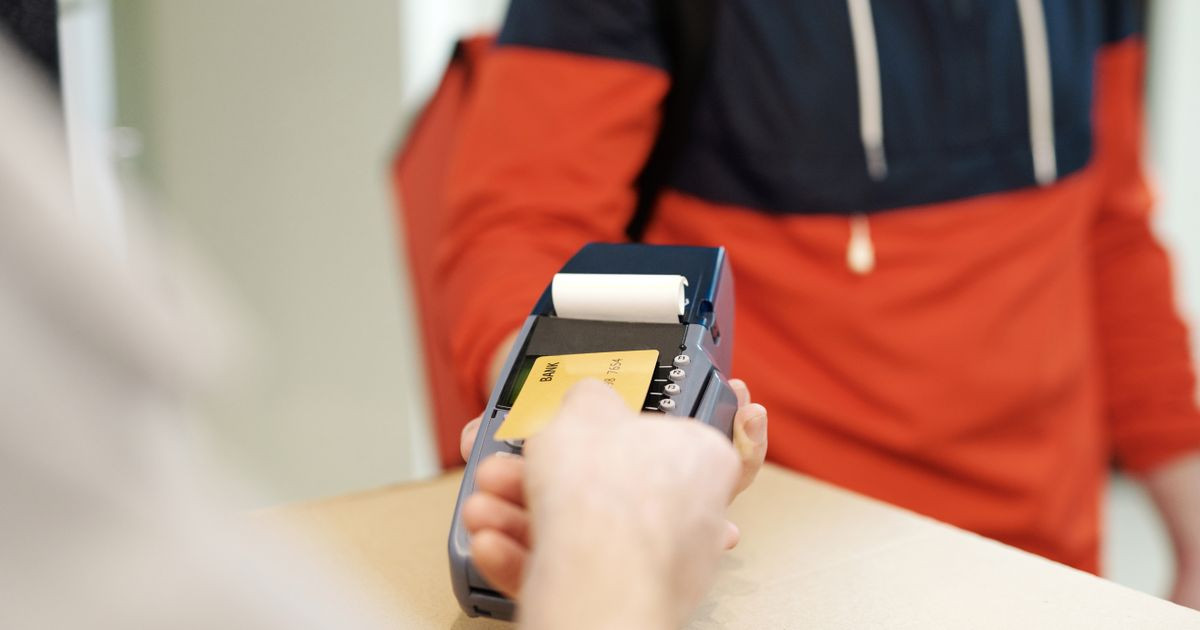
If a card terminal or cash machine abroad offers pounds or local currency, choose local currency as your starting point. This leaves any conversion to your card’s usual arrangements. Choose pounds only if you understand the conversion offer and have checked the total against your card’s terms.
At an ATM, declining the conversion normally means you can carry on with the withdrawal in local currency. It doesn’t remove a separate ATM charge. Here’s how to spot the difference before you press confirm.
Who converts your payment?
Dynamic currency conversion (DCC) is an offer to convert a card payment or cash withdrawal into your card’s billing currency at the point of payment. For a UK traveller with a sterling card, that usually means being shown a choice between pounds and the currency the transaction started in.
If you accept the offer, the merchant or ATM’s payment service handles the conversion at the rate it shows. If you choose local currency, the transaction goes through in that currency. Your card’s usual exchange arrangements and any applicable charges then determine what you pay. If you already hold the currency on a travel card, check whether your card will take it from that balance.
Visa’s guide to currency conversion explains that when DCC is offered, you should see both currency amounts, the exchange rate and any additional charge or mark-up. Mastercard’s conversion guide sets out how the two routes work. Those are the details to check before you decide.
What should you choose at a card terminal?
Start with the currency on the bill. If a restaurant in Spain prices your meal in Euros (EUR), choose EUR to keep the card payment in euros. If the terminal offers to charge you in GBP instead, look for the original amount, the sterling amount and the conversion terms before accepting. A familiar pound sign tells you the amount in pounds; it doesn’t tell you how your card would price the same payment.
Check the currency again on the confirmation screen. If a member of staff has selected pounds for you and you wanted local currency, ask them to cancel that attempt and run it in the original currency. If you already paid, keep the receipt and check what was submitted before trying another payment.
The letters on screen depend on where you are. See our guide to cash and card choices in Prague for how the choice can look when the bill is in Czech Koruna (CZK).
What does ‘continue without conversion’ mean at an ATM?
When the message is about converting the withdrawal into pounds, ‘continue without conversion’ means declining the cash machine’s conversion offer. Check the next screen to make sure the withdrawal is still in the currency you asked for. Button wording varies, so read the full question rather than relying on a particular colour or button position.
| If the screen asks… | What to check |
|---|---|
| Continue with or without conversion? | Choose without conversion if you want the withdrawal charged in its original currency. |
| Charge in GBP or local currency? | Look for the local currency and confirm the amount before proceeding. |
| Accept an ATM operator charge? | This can be a separate charge for using the machine. Decide whether to accept it or cancel. |
| Confirm withdrawal? | Check the amount, currency and any separate charge. Cancel if the terms are unclear. |

Check your card’s terms as well. An ATM operator charge and a card issuer’s withdrawal charge are separate from the conversion decision. A credit card can also have cash-withdrawal terms that differ from those for shopping. This issuer guidance on card charges abroad explains the distinction. If the ATM shows a charge you don’t want to pay, cancel before confirming and choose another way to get cash.
What if you were charged in pounds?
First check the receipt or payment confirmation. A card app can show a sterling equivalent even where the merchant submitted the payment in local currency. Look for the original transaction currency and whether the receipt records an accepted conversion.
| When you notice | What to do |
|---|---|
| Before confirming | Check the amount and currency. Cancel and ask to retry in local currency if needed. |
| Just after paying | Keep the receipt. Ask whether the merchant can correct the payment, and confirm any reversal before paying again. |
| After leaving | Keep the receipt and transaction details. If the conversion wasn’t what you selected or the choice wasn’t clear, contact your card issuer. |

Make a note of the date, merchant or ATM location and what you selected. A sterling amount on its own isn’t proof that a conversion was applied without your agreement. Your issuer can explain the transaction and what options are available.
Where does travel cash fit?
Paying with notes you already have in the local currency doesn’t involve a card conversion at the till. Think about the expenses you expect to pay in cash, such as arrival transport or small purchases where you have checked the payment options. Keep a card available for purchases you plan to make that way.

You can buy travel money before you go if you expect to need cash when you arrive. For example, if you plan to buy euros for a trip to the euro area, start with expenses you expect to pay in cash and keep card payments out of that budget.
Frequently asked questions
Should I pay in euros or pounds on my card?
If the price is in euros and you want the transaction to stay in that currency, choose euros. The cost in pounds then depends on your card’s exchange arrangements and any charges that apply.
Does declining conversion cancel the cash withdrawal?
It usually declines the ATM’s offer to convert the withdrawal into pounds. Check that the machine lets you continue in local currency and that you’re happy with any separate charge before confirming.
Does paying in local currency mean I won’t pay any fees?
No. You’ve declined the conversion offered at the terminal or ATM. Your card’s fees may still apply and the ATM operator may charge for the withdrawal.
What if my travel card already has a local-currency balance?
Choose the currency on the bill if you want the transaction submitted in that currency. Check your card’s rules on which balance it uses and what happens if there isn’t enough in that balance.
Is a price originally quoted in pounds the same as DCC?
Not necessarily. This guide covers a payment priced in one currency where the terminal or ATM offers to convert it into another. If your booking was priced in pounds from the start, check the currency and terms shown by the seller.
Before you confirm a payment abroad, check the amount, the currency and any charge. If the screen is unclear, pause and ask before you agree.