 Since 2007
Travel money for a cruise: cash, cards and port days
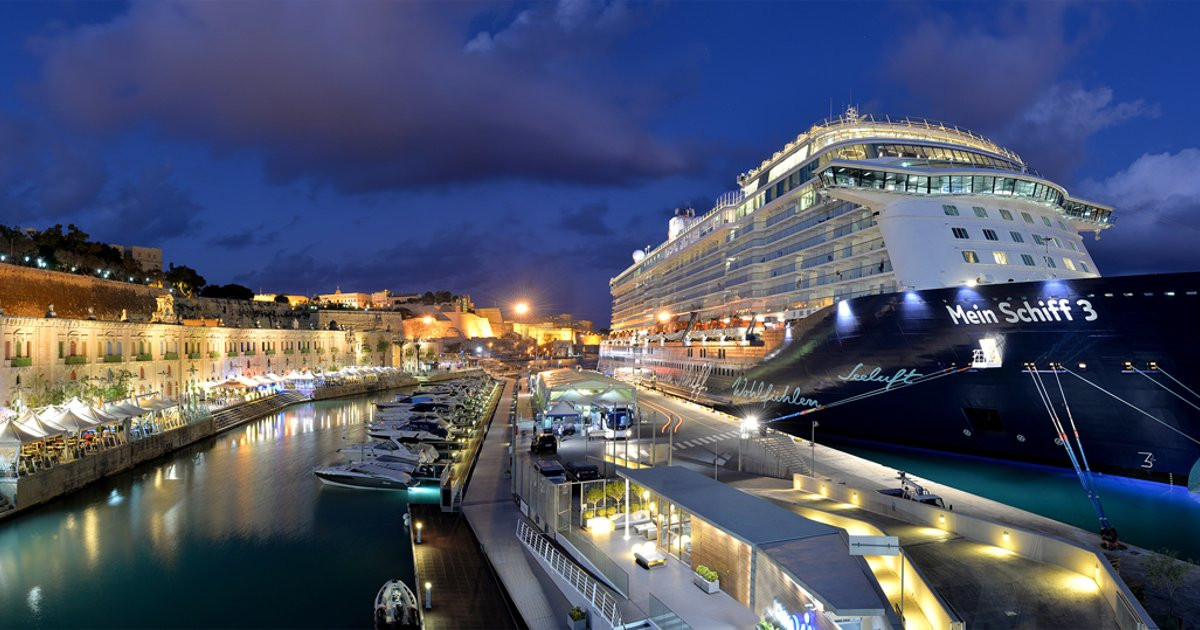
Feature photo: Annamariamaria / Wikimedia Commons, CC BY-SA 4.0. Historic Valletta harbour illustration; resized and cropped. Not evidence of current payment facilities.
Travel money for a cruise needs two separate plans: a way to settle your shipboard account, and money for each port you visit. Check your cruise line’s account currency and accepted payment methods, then plan local cash only for the things you expect to pay for ashore. A cashless ship does not make every stop a cashless destination.
Your itinerary can change currencies while your cabin stays put. This guide helps you separate the two, compare named operators and build a port-day cash list without counting an excursion lunch twice.
How a cruise ship onboard account works
An onboard account is the running bill for purchases charged to you during the cruise. On many ships, you use a cruise card rather than hand over banknotes for each drink or purchase. Settling that account is a separate step: the operator’s rules decide which bank cards or cash arrangements it accepts.
Check three things in your booking documents: the currency of the account, how you must register a payment method, and when the final balance is collected. Do not assume that paying for the holiday in pounds means the onboard bill will also be in pounds.
If you plan to use a debit card, ask about payment holds before departure. A pre-authorisation reserves money or credit for expected spending; it is different from the final settled charge. Keep enough available funds for spending outside the ship as well as the account itself.
What currency do cruise ships use?
The answer depends on your cruise line and sometimes your itinerary. These examples are a starting point for checking your own booking, rather than a policy for every ship.
On a small screen, scroll the table sideways to see all columns.
Named operator examples checked 18 November 2026
| Operator | Onboard currency and purchases | What to check before departure |
|---|---|---|
| P&O Cruises (UK) | Pounds sterling; purchases use your cruise card. | Register a payment card. Its guidance says onboard foreign exchange is not offered, so arrange port currency before travelling. |
| MSC Cruises | Personal cruise card for purchases. Its UK FAQ lists sterling for Southampton departures, Euros for Mediterranean and Northern Europe cruises, and US Dollars for several other regions. | Confirm the currency for your exact itinerary and the accepted way to fund and settle your account. |
| Fred. Olsen Cruise Lines | Its currency FAQ identifies sterling for cash payments onboard. | Confirm your account arrangements and the currencies required for your ports; the ship’s currency is a separate question. |
Sources: P&O money matters, MSC UK payment FAQ and Fred. Olsen currency FAQ. Recheck your operator’s current instructions for your sailing, including any regional exceptions.
Cashless purchases and a cash-funded account are different things. An operator may allow you to deposit cash at Guest Services while still requiring a cruise card at the bar. Another may require a registered bank card. Check the actual process before deciding to travel with cash for the bill.

Do I need cash in cruise ports?
Plan from your activities, rather than the number of nights at sea. A prepaid excursion with transport and lunch included creates a different cash need from an independent day using local buses, cafés and market stalls. Ask the excursion provider what remains payable locally, and how you can pay it.
For each stop, list the costs you have not already paid. Check whether the specific transport operator, attraction or business accepts your card. Carry local cash for the items you intend to pay for in cash, plus a reserve that suits your own plans. There is no useful universal daily amount for every passenger.
What currency should I take on a Mediterranean cruise?
Read the ports individually. A regional label is not a currency list: a Mediterranean itinerary may include stops outside the euro area. Check the official visitor or payment information for every country on your booking before you order.
Where your stops require Euros, our Buy Euros page is the practical next step. Keep any other port currency on its own line in your plan; do not assume that spare Euros will be accepted everywhere else.
Do I need US Dollars for every Caribbean port?
Do not use the ship’s account currency as proof of what a taxi driver or shop ashore accepts. Check your specific destination and supplier. If a business quotes a price in a currency different from the local one, confirm the total and the currency of any change before paying.
For a card terminal’s offer to convert a purchase into pounds, see our guide to paying in pounds or local currency abroad. That is a separate decision from which cash to carry.

Your port-day cash worksheet
Use one row per stop and one total per currency. Write down the costs you have actually checked, then separate prepaid items, planned card spending and planned cash spending. This is an original planning method, not a suggested spending budget or a report of first-hand cruise testing.
Scroll the worksheet sideways on small screens.
Copy this worksheet for your own itinerary; use amounts in each port’s currency
| Stop / currency | Already paid | Plan to pay by card | Plan to pay in cash |
|---|---|---|---|
| Arrival / embarkation | Transfers or hotel paid in advance | Confirmed card payments | Remaining cash costs before boarding |
| Port day 1 | Included tour, lunch or tickets | Confirmed card payments | Cash-only or chosen cash purchases |
| Port day 2 — repeat as needed | Included tour, lunch or tickets | Confirmed card payments | Cash-only or chosen cash purchases |
| Return journey | Prepaid transfer | Confirmed card payments | Remaining cash costs before leaving |
| Reserve — once per currency | Not an extra daily allowance | Keep backup funds available separately | Your chosen reserve for that currency |
Cash to arrange for each currency = planned cash costs + one reserve − usable cash you already hold. If the result is below zero, you already have enough for that plan. Do not add the prepaid or card columns. Keep different currencies separate rather than adding unlike amounts together.
Arrival money belongs inside the total. If you set some aside for the first taxi, do not add it again as an “arrival allowance”. Likewise, if an excursion includes lunch, count only the extras you still expect to buy. Review the plan when an itinerary or excursion changes.
Decide how you will carry and store cash before you leave. Keep the day’s spending separate from the rest, follow the ship’s guidance on valuables, and make a backup plan for a lost card. Do not depend on finding an open exchange desk at the next port.

Checks before you sail
- Confirm your shipboard account. Record its currency, accepted cards, any cash-deposit arrangements and settlement deadline.
- Check card holds and charges. Ask your issuer about foreign-currency transactions and your operator about pre-authorisations. Leave room for both the hold and other holiday spending.
- Read your inclusions. Separate prepaid drinks, meals and excursions from extras. Check gratuities against your actual fare rather than a general tipping rule.
- Check each port. Confirm local currency and payment options for the services you plan to use, including the return journey to the ship.
- Arrange currency in time. Confirm current collection requirements and availability; do not rely on an onboard exchange service unless your operator confirms one.
- Keep a usable backup. Save your card issuer’s contact details somewhere accessible if your phone or wallet goes missing.
Cruise travel money questions
Do I need cash on a cruise?
You may need local cash ashore even when purchases on the ship go through a cruise card. Check your operator’s account rules and plan cash around your specific port activities.
Is the cruise ship’s currency the same as the ports’ currency?
Not necessarily: the onboard account and the businesses ashore are separate payment settings. Confirm the account currency with your cruise line and each destination’s currency before buying cash.
Can I settle my onboard account with cash?
It depends on your operator’s rules for that sailing. Confirm whether a cash deposit is accepted and whether you must still register a bank card; cashless onboard purchases do not answer that question.
How much cash should I take for shore excursions?
Start with the costs not already included in your booking, then identify what you will actually pay in cash. Use the worksheet above and add one reserve per currency; a prepaid lunch should not appear again as cash spending.
Can I exchange currency on the ship?
Do not assume that facility is available. P&O’s current money guidance says it does not offer onboard foreign exchange; check your own cruise line before relying on any exchange or cash withdrawal service.
Does onboard credit cover spending in port?
Check the terms of the credit and the booking channel. Credit attached to a shipboard account should not be treated as cash you can spend at an independent café, taxi or attraction ashore.