 Since 2007
Can you use Euros in Poland? A guide to paying in Złoty
Can you use Euros in Poland? Usually, no. Poland uses the Polish Złoty (PLN). Some hotels and shopping centres accept Euros by agreement. Plan to pay in Złoty for everyday purchases and take a card you can use abroad.
Heading to Kraków or Warsaw? A few checks before you leave can save you from learning how a ticket machine works with a queue behind you.
By ACE-FX · Information checked 11 November 2026
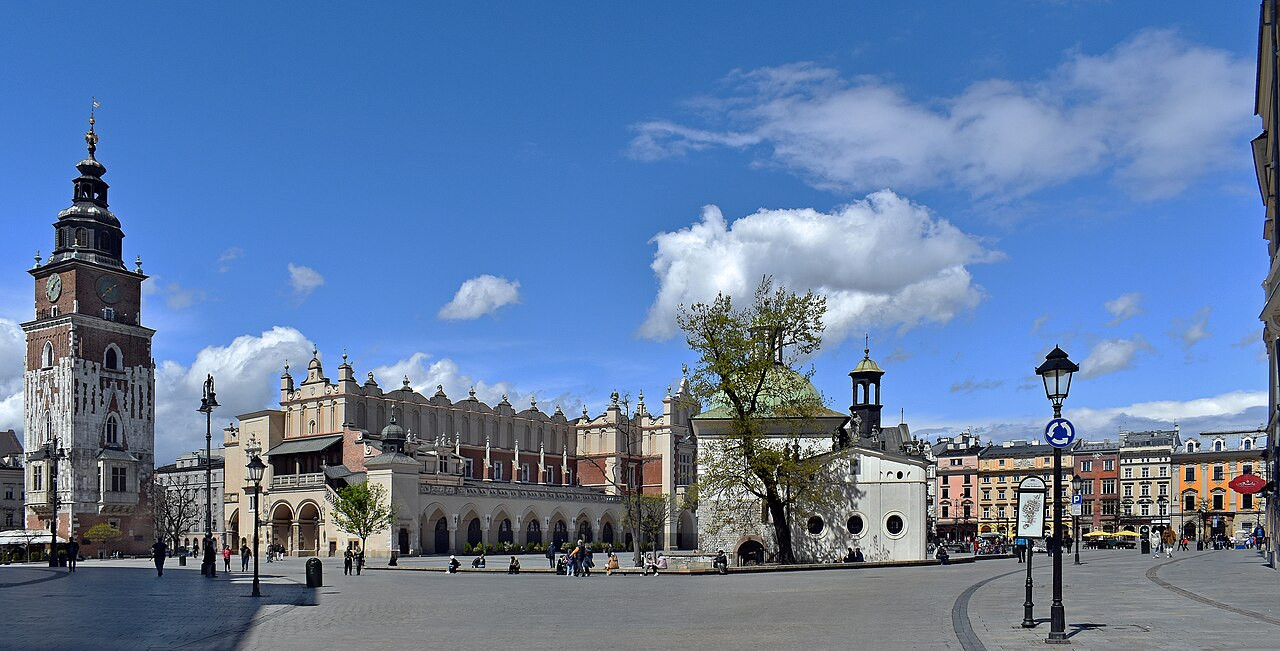
Feature photo: Zygmunt Put · CC BY-SA 4.0.
What currency does Poland use?
The Polish Złoty is shown as PLN on a card screen and often as zł on a price tag. One Złoty is divided into 100 groszy. Poland is in the European Union and uses its own currency. See the EU’s Poland country profile and National Bank of Poland’s banknote guide for the currency and denominations.
Polish money at a glance
| What you see | What it means |
|---|---|
| PLN or zł | Polish Złoty. A price of 20 zł means 20 Polish Złoty. |
| gr | Groszy. There are 100 groszy in 1 zł. |
| Notes | 10, 20, 50, 100, 200 and 500 zł. |
| Coins | 1, 2 and 5 zł, plus 1, 2, 5, 10, 20 and 50 gr. |
Can you use Euros in Kraków?
Ask the individual business before you plan to pay with Euro notes. The US International Trade Administration’s Poland guide says that most places expect payment in Polish currency. Check the exact place you are visiting in Kraków, even if a price is also shown in Euros online.
If a seller agrees, ask for the total in Euros and which currency you would get as change. For a trip that continues into a country that uses the Euro, keep your Euro cash for that leg and plan the Polish part of the trip in PLN.
Do you need cash in Poland?
You can usually pay by card at large shops and at many smaller shops and restaurants. Keep some Złoty for places that take cash and for times when your card or phone is unavailable. Ask your accommodation how it takes payment and whether anything is still due when you arrive.

Cash or card in Poland? Check where you’re paying
| Where you’re paying | What to check |
|---|---|
| Kraków tram or bus | Check the payment sign by the door. MPK’s buying guidance says the method depends on the vehicle. Newer contactless machines take card or device payments and issue an electronic ticket. Keep the same card or device for inspection. |
| Warsaw SKM train | The SKM operator says the onboard machine takes card only. Tickets are valid from purchase. |
| Warsaw tram or bus | The SKM guide also lists card-only onboard machines on Warsaw trams and buses. Validate a paper ticket as soon as you board. |
| A stall or small shop | Ask about cash or card before ordering. Check the price and change in PLN if you choose cash. |
See Kraków’s onboard ticket machine demonstration on the transport authority’s Polish-language page.
For a local cash plan, note any unpaid purchases you expect to make in cash. Add a spare amount for changes to your plans and subtract any Złoty you already have. Count each purchase once. If you plan to pay for transport by card, leave those fares in your trip budget and out of your cash total.
How much do local tickets cost?
Here are two examples of how to use local fares in your trip budget. Warsaw’s city tourism guide lists 20-minute, 75-minute and 24-hour options. The 20-minute ticket covers both Warsaw zones, and the 75-minute and day ticket examples below are for Zone 1. Kraków’s MPK fare guide lists 15-minute and 30-minute or single-trip tickets, plus separate 24-hour fares for Zone I and Zones I–III.

Selected full-fare local tickets per person
| Ticket | Price |
|---|---|
| Warsaw Zones 1–2 · 20 minutes | 3.40 zł |
| Warsaw Zone 1 · 75 minutes | 4.40 zł |
| Warsaw Zone 1 · 24 hours | 15 zł |
| Kraków Zones I–III · 15 minutes | 4 zł |
| Kraków Zones I–III · 30 minutes or single trip | 6 zł |
| Kraków Zone I · 24 hours | 20 zł |
| Kraków Zones I–III · 24 hours | 25 zł |
Full fare per person · Scale 0–30 zł
- Four 20-minute tickets13.60 zł
- Four 75-minute tickets17.60 zł
- 24-hour ticket15 zł
Source: Go To Warsaw. Checked 11 November 2026.
Four 75-minute tickets total 17.60 zł, above the 15 zł day ticket. For four short trips where 20-minute tickets are enough, the total is 13.60 zł, below the day ticket price. This example assumes one person travelling within Zone 1 in a single 24-hour window.
Full fare per person · Scale 0–30 zł
- Five 15-minute tickets20 zł
- Five 30-minute or single-trip tickets30 zł
- 24-hour ticket25 zł
Source: MPK Kraków. Checked 11 November 2026.
Five 15-minute tickets total 20 zł. Five 30-minute or single-trip tickets total 30 zł, above the 25 zł day ticket for Zones I–III. If you stay in Zone I, a 20 zł day ticket costs less than four separate 6 zł tickets. Count the tickets you need rather than the number of vehicles you board. A time ticket may cover several rides within its rules. Check your route, zones and how to validate your ticket. Check airport trains and intercity journeys separately.
Paying in Złoty by card
Look for the amount in PLN when a terminal asks which currency you want to pay in. An exchange rate tells you how much of one currency you get for another. A terminal or cash machine may offer to convert the amount into pounds. That option is called dynamic currency conversion, or DCC.
Visa’s guidance on currency conversion says an offer should show the local and home-currency amounts, the exchange rate and any additional fees or markup. Read the screen before confirming. If you choose PLN and your account is in pounds, check your card issuer’s conversion terms. At an ATM, check any separate withdrawal charge on the screen.
What currency should you take to Poland?
Take Polish Złoty for cash purchases in Poland. Use our current travel money rates to check PLN and read how collection works before you order. Ask the team about your travel date, the amount you need and the notes available.

PLN is the local currency in Gdańsk too. Check local tickets separately if you are travelling beyond Kraków and Warsaw.
Going to Czechia on the same trip? Our Prague currency guide explains when you’ll need Czech Koruna for that part of the journey.
Poland travel money FAQs
Does Poland use Euros?
Poland uses the Polish Złoty. A business can agree to take Euro cash, but check before ordering and have a way to pay in PLN.
What currency is used in Warsaw and Kraków?
Both cities use Polish Złoty, shown as PLN or zł. Their public transport networks have different fares and ticket rules.
Can I pay with my UK card in Poland?
Usually, yes, where the seller accepts your card network and your issuer permits the transaction. Take a physical card as well if you rely on your phone.
Can I pay for a Kraków tram ticket with cash?
Sometimes. Check the payment sign on the vehicle. Kraków’s newer onboard card terminals take contactless payments and store the ticket against the card or device.
How much cash should I take to Poland?
Add the spending you plan to pay in cash and a small reserve you choose. Leave out prepaid items and costs you will pay by card.
What can I do with leftover Polish Złoty?
Keep it for another trip or check ACE-FX’s sell currency information. Ask which notes can be accepted before visiting.
Sources and checking method
We checked Poland’s tourism guidance, the EU country profile, National Bank of Poland and the named transport and card sources on 11 November 2026. The payment examples describe the operators’ published guidance. The charts multiply the listed full fares for the stated number of separate tickets and compare the result with a day ticket for the same zones.
Check the operator again before you travel. Fare and payment rules can change.