 Since 2007
What currency is used in Prague? Cash and card guide

The currency used in Prague is Czech Koruna (CZK), also called Czech Crown and written Kč. Some businesses accept Euros, but do not rely on them for everyday payments. Plan to pay in Koruna, with a bank card and cash suited to your itinerary.
Here is how to recognise the currency, check the payment options that matter for your trip and work out your own cash amount before you go.
What currency is used in Prague?
Prague uses Czech Koruna across everyday prices and payments. Czech Crown is another English name for the same currency: CZK is the code and Kč is the local symbol. You do not need a separate currency for the rest of Czechia.
A menu showing Kč is quoting Koruna, not Pounds or Euros. Check the currency alongside the number before deciding what a purchase costs. The Czech National Bank’s currency guide is the official reference for Czech notes and coins.
On a small screen, scroll across the table to see every column.
| What you see | What it means |
|---|---|
| Czech Koruna / Czech Crown | Two English names for the Czech currency |
| CZK / Kč | Its international code and local symbol |
| Banknotes | 100, 200, 500, 1,000, 2,000 and 5,000 Koruna |
| Coins | 1, 2, 5, 10, 20 and 50 Koruna |
Denominations: VisitCzechia’s official currency information, checked 6 November 2026. Notes in circulation are not a promise of ACE-FX stock.
If you have notes from a previous trip, check the central bank’s validity information before packing them. Older issues may have been withdrawn.
Can you use Euros in Prague?
Some businesses accept Euros, but you should prepare for payments in Czech Koruna. Euro acceptance is a choice made by the business. It does not mean Prague has adopted the Euro.
VisitCzechia says many shops, restaurants and tourist centres accept Euros, and that change may come back in Czech Crowns. Before paying, ask whether the quoted price is in CZK or EUR, what total you will hand over and which currency you will receive as change.
For a trip that combines Prague with a Euro-area destination, keep the two cash amounts separate in your plan. Money left over from another city is useful only where the next business agrees to accept it. Check any bookings priced in Euros individually; a price shown in Euros online does not mean the ticket desk takes Euros.

Do you need cash in Prague, or can you pay by card?
Some Koruna cash can be useful: PID’s button-operated ticket machines take coins only. Card and contactless options are available at the named terminals below, so plan your payments around the places you intend to visit. Check the machine you are using; some take cards only.
The useful question is “How will I buy this ticket or pay this bill?” The examples below compare specific purchase channels, rather than make a promise about every restaurant, shop or attraction.
On a small screen, scroll across the table to see every column.
| Where you’re paying | How you can pay | What to check |
|---|---|---|
| PID button-operated ticket machine | Czech Koruna coins only | Have suitable coins or choose a different purchase channel |
| PID touchscreen ticket machine | CZK coins and contactless; some also take chip cards | Check the machine’s displayed options |
| DPP onboard ticket terminal | Payment card only | Buy immediately after boarding through a marked door |
| Gardens below Prague Castle | The official admission page lists cards and cash | Check seasonal opening and the exact visit you are booking |
Sources checked 6 November 2026: PID ticket-purchase guide, DPP card-terminal instructions and Gardens below Prague Castle admission. The gardens are a separate visitor site from Prague Castle’s main ticket circuits.
A coin-only machine cannot take a banknote. Plan how to get suitable coins locally if you intend to use one, or choose a different ticket option. Before travelling, check your card’s overseas use settings and charges, and keep a way to contact the issuer. If you plan to pay with a phone, consider how you will pay when its battery runs out. Ask your accommodation and any pre-booked activity about payment before arrival.

Paying for Prague transport
Buying a ticket and validating it are separate steps on some purchase channels. PID says paper tickets from button-operated or touchscreen machines must be stamped once, before entering the metro platform or immediately after boarding a bus or tram.
By contrast, DPP says tickets printed by its onboard contactless terminal are valid from issue and must not be stamped again. Follow the instructions for the ticket you actually buy. A successful card payment alone is not a reason to ignore its validation rules.
Before your first journey, decide where you will buy the ticket and check the current fare and validity. Use the operator’s instructions for app tickets, discounts and airport journeys; those can have their own conditions. Check that your chosen terminal sells the ticket you need.
How much cash should you prepare for Prague?
Start with the payments you expect to make in cash, rather than a fixed amount per day. Your hotel, tickets or airport transfer may already be paid for. Add those again and your wallet starts funding a second holiday.
Use this simple worksheet for your own itinerary. Enter current prices from the businesses you plan to use, in Czech Koruna. Leave prepaid costs and purchases you intend to put on a card out of the planned-cash subtotal.
On a small screen, scroll across the table to see every column.
| Item | Your amount / method | How to count it |
|---|---|---|
| Planned cash purchases | _____ CZK | Include arrival cash payments here |
| One spare cash reserve | _____ CZK | Choose for your circumstances; add it once |
| Total Koruna you’ll need | Planned purchases + reserve | This is your cash plan, not your total trip budget |
| Koruna you already have | _____ CZK | Count only usable notes and coins |
| Additional Koruna to order | Total needed − Koruna already held | Zero if you already have enough; do not order a negative amount |
If a payment method is uncertain, contact the business first. Then decide whether to include that cost in the cash subtotal or cover it with your single reserve. Do not count the same potential payment in both.
For a couple or group, agree whether the worksheet covers everyone or each person. A shared transport purchase belongs once in the shared total. Revisit the figures if your bookings change, and keep the plan separate from money already set aside for another destination.

What should you check at a card terminal or ATM?
Read the currency before you confirm. Dynamic Currency Conversion, or DCC, is an offer to convert a foreign-currency payment or withdrawal into your home currency at the terminal or ATM. In Prague, a UK traveller may see a choice involving CZK and GBP.
Visa’s DCC explanation says the offer should show both currency amounts, the exchange rate and any additional fee or mark-up. You should have a choice; the merchant or ATM must not choose for you. If required details are missing or you feel pressured, Visa recommends declining the conversion offer and reporting the incident to your card issuer.
Choosing CZK keeps the transaction in the local currency; your card’s own conversion arrangements and charges can still apply. Check those terms before travelling. Declining DCC does not remove a separate ATM withdrawal charge, and this guide promises no particular saving or rate.
At a cash machine, check the withdrawal amount, currency and any displayed charge before confirming. Cancel if you do not understand the offer. Keep the receipt or transaction record so you can query an unexpected amount with the relevant provider.
Preparing your Prague travel money
Use ACE-FX’s current exchange rates when planning a purchase. Rates change through the day. Check the actual quote and conditions when you order. Read how Click & Collect works, then confirm the arrangements for your trip.
Before making a special journey, ask the team about Czech Koruna availability for your travel date, collection arrangements and any denomination request. Keep your confirmed collection details with your travel documents.
If Prague is one stop on a Central European trip, our Budapest currency guide explains the separate Forint cash and card considerations there. Make a payment plan for each destination rather than assuming one cash currency covers the route.
Prague currency FAQs
What currency do they use in Prague?
Prague uses Czech Koruna, also called Czech Crown. Look for CZK or Kč on prices; Euros are a separate currency.
Can you use Euros in Prague?
Some businesses choose to accept Euros, but you cannot rely on this for every purchase. Confirm the total and the change currency before paying.
How much is £1 in Prague’s currency?
The amount changes with the exchange rate. Check ACE-FX’s current rates and the quote for your transaction rather than relying on a fixed figure in an article.
Can you visit Prague without cash?
Check every planned payment before relying on cards alone. Coin-only ticket machines are one reason to keep some Koruna or choose a different way to buy your ticket.
Should you ask for smaller Koruna notes?
Consider the purchases you expect to make and ask your currency provider about available denominations. A request for particular notes needs confirmation; it is not a stock guarantee.
What should you do with leftover Koruna?
Keep any notes safe and ask ACE-FX whether you can sell your leftover Koruna back and what conditions apply before visiting a store. Do not assume coins, old issues or damaged notes can be accepted.
Sources and checking method
Currency and Euro-acceptance information comes from the Czech National Bank and VisitCzechia. Payment examples use the named operators’ own pages; conversion guidance comes from Visa. Sources were checked on 6 November 2026. Recheck current conditions before travelling.
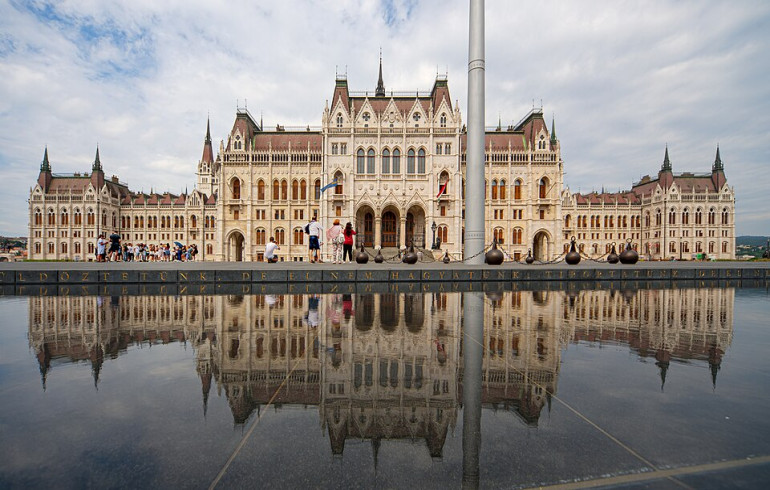
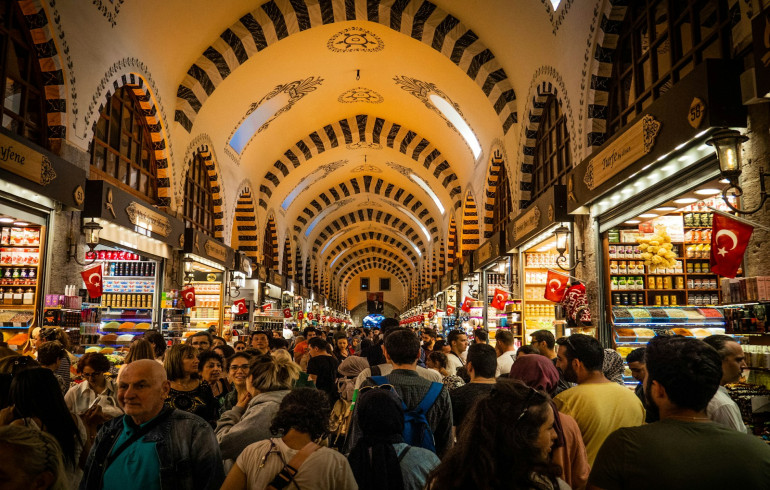
The payment comparison and cash worksheet are ACE-FX’s summary of those sources and an original planning method. They are not a report of first-hand visits or a survey of all Prague businesses. Historical photographs illustrate the destination, not today’s payment facilities.
Hero photograph: Estec sarl., CC BY 3.0; dated 2009, resized and compressed.