 Since 2007
Currency in Budapest: Forint, Euros, cash and cards

The currency in Budapest is the Hungarian Forint (HUF), commonly shown as Ft. Some businesses accept Euros, but acceptance is their choice. Prepare for payments in Forint and check the cash, card or ticket options for the places on your itinerary. The same currency is used across Hungary.
By ACE-FX · Payment information checked 6 November 2026
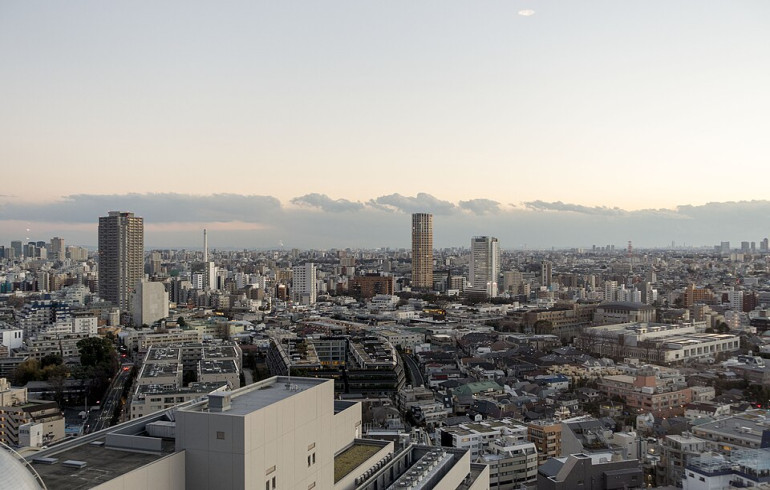
Parliament photograph: David Castor / Wikimedia Commons, 21 July 2023, CC0.
What currency is used in Budapest?
Hungarian Forint is the currency to recognise on menus, tickets, shop labels and cash machines. HUF is its currency code; Ft is a common local abbreviation. Hungary’s official tourism site, Visit Hungary, confirms the currency and explains that small notes can be useful for smaller purchases.
Budapest currency at a glance
On a small screen, scroll across the table to see every column.
| What you will see | What it means |
|---|---|
| Hungarian Forint / HUF / Ft | The name, currency code and common abbreviation for Hungary’s currency |
| Banknotes | 500, 1,000, 2,000, 5,000, 10,000 and 20,000 Forint |
| Coins | 5, 10, 20, 50, 100 and 200 Forint |
| Euros / EUR | A separate currency that some businesses may choose to accept |
For official currency information, use the Hungarian central bank’s current banknote series and circulating coin guide. Denominations in circulation are not a promise of which notes ACE-FX has available.
Can you use Euros in Budapest and Hungary?
Sometimes, but do not assume that you can pay in Euros everywhere. Visit Hungary says some businesses accept them and change may be returned in Forint. Ask which currency a price is quoted in and how the business will calculate the amount before agreeing to pay.
Check the individual place rather than relying on a city-wide rule. For example, Széchenyi Thermal Bath’s official FAQ says it does not accept Euros. The distinction matters when you arrive with cash intended for a particular booking.
The same approach applies outside Budapest: Hungary uses Forint, while any acceptance of foreign cash depends on the business.
Cash or card in Budapest? Check the exact purchase
Prepare a working bank card and some Forint for the cash payments you have identified. One attraction can offer different payment options at different entrances. The table below records specific examples checked on 6 November 2026; it is not a survey of every Budapest business.
Budapest payment checks: named operators and purchase channels
On a small screen, scroll across the table to see every column.
| Where or how you pay | Payment method | Important detail / official source |
|---|---|---|
| BKK ticket machines and customer service centres | Cash or bank card | Check your ticket and validation requirements. BKK purchase guidance |
| Metro M1–M4: Pay&GO | Bank card or compatible smart device | Tap at the Pay&GO terminal; purchase and validation happen together. BKK Pay&GO |
| 100E Airport Express: Pay&GO | Bank card or compatible smart device | The airport ticket is for the 100E, not other lines. BKK Pay&GO |
| Buying a ticket from a bus driver | Cash; bank card on specified routes | BKK asks for exact cash and lists card-enabled routes. Check your route. BKK purchase guidance |
| Széchenyi: self-service entrance machines | Credit or debit card | For cash, use the steam-entrance ticket offices. Euros not accepted. Széchenyi FAQ |
These examples help you ask the right question: How will I pay for this particular purchase? Confirm accommodation, independent shops and any cash-only booking directly. Do not treat a payment logo or another visitor’s old experience as a current guarantee.

Paying for Budapest transport
BKK’s Pay&GO lets you buy and validate a single ticket with a bank card or compatible device on metro lines M1–M4 and the 100E Airport Express. Keep the same card or device available for inspection. The system does not issue a paper ticket.
Other purchase channels have their own rules. BKK’s general guide lists cash and card at ticket machines and customer service centres. For a driver-purchased bus ticket, check the exact route and prepare the required cash if you are not using an available card option. Do not assume every bus has the same payment arrangement.

Watch BKK’s Pay&GO demonstration
This official BKK video demonstrates its payment system. BKK advises selecting the English subtitles. Check the current written coverage above alongside the video.
Play BKK’s Pay&GO video
Opening the player loads YouTube, an external video service.
How much cash should you prepare?
Build your cash plan around purchases you actually expect to make. Separate anything already paid for, anything you will pay by card and any payment method you still need to confirm. Your total holiday budget and the cash in your wallet are different figures.
Your Budapest cash-planning worksheet
On a small screen, scroll across the table to see every column.
| Part of your trip | What to record | Count it towards cash? |
|---|---|---|
| Prepaid bookings | Accommodation, tickets or travel already paid for | No: keep them in your overall trip budget |
| Planned card payments | Confirmed purchases you expect to pay by card | No. Include any chosen cash fallback once, within your reserve |
| Planned cash purchases | Confirmed cash costs and your own daily cash allowance | Yes: count each purchase once |
| Payment method unconfirmed | Bookings or businesses you still need to check | Confirm first; do not assume |
| Personal cash reserve | Your own allowance for unexpected cash needs | Yes, but it is not a spending target |
Planned cash requirement = expected cash purchases + a separate reserve. For arrival, identify the cash costs before your first planned opportunity to obtain more money, then add your reserve. Include those arrival purchases within the trip total, rather than adding them twice.
If you plan withdrawals later, check card compatibility, charges, limits and a suitable ATM location before relying on them. Carrying the entire trip’s planned cash from the start is a separate decision from estimating how much you may spend in cash.

What should you check at a card terminal or ATM?
You may be offered a choice between the local currency and your home currency. Dynamic currency conversion (DCC) means the merchant or ATM offers to convert the transaction into your home currency.
Visa’s guidance says the choice should show both currency amounts, the conversion rate and any additional fees or markup. Read the displayed information and check your card issuer’s terms for foreign purchases and withdrawals. The conversion offer should be your choice. See Visa’s explanation of dynamic currency conversion.
Check any ATM operator charge separately from your card issuer’s charges. If the amount or wording is unclear, pause the transaction and ask for clarification. Use the amount and currency shown on the confirmation when checking your receipt.
Preparing Forint before your trip
Before you travel, check our current travel money exchange rates. An exchange rate tells you how much currency you receive for each pound, and rates change.
Read the ACE-FX collection information and contact our London Bridge store or Canary Wharf store about Hungarian Forint and your travel date. Confirm availability, any denomination request and the collection arrangements with the team.
Budapest currency FAQs
What currency is used in Budapest?
Budapest uses Hungarian Forint, with currency code HUF and the common abbreviation Ft. The same currency is used across Hungary.
Can you use Euros in Budapest?
Some businesses choose to accept Euro cash, but others do not. Ask before paying and check which currency you will receive as change. Forint is Hungary’s currency.
Do you need cash in Budapest?
Some Forint is a useful fallback alongside a working card. Base the amount on the cash purchases you have identified and a separate reserve. Check each booking or business before deciding to rely entirely on one payment method.
Can I use a UK bank card in Budapest?
Card use depends on your card, the merchant and the payment channel. BKK and Széchenyi offer the specific card options described above. Check overseas settings, charges and limits with your issuer before travelling.
How do I check the current GBP to HUF exchange rate?
Use a current rate source and check which transaction the rate applies to. A quoted reference rate is different from an offer to buy or sell travel money. ACE-FX’s rates page and store team can help with our current travel money information.
What can I do with leftover Forint?
Keep it safely for another trip, or ask about exchanging eligible notes when you return. Read the ACE-FX sell currency information and confirm what we can accept before visiting.
Sources and checking method
We checked the linked MNB, Visit Hungary, BKK, Széchenyi and Visa pages on 6 November 2026. The payment table records published operator guidance for the named purchase channels; we have not tested those transactions in person. Rules can change, so check the operator again before travelling.
The worksheet is ACE-FX’s editorial planning method. It uses your own costs and choices and does not estimate destination prices. Photographs illustrate the places shown and are credited separately.