 Since 2007
Do you need cash in Japan? Yen, cards and cash planning
Tags | asia
Do you need cash in Japan? Yes: take some Japanese Yen (JPY) alongside a bank card. Cards are accepted in many hotels, shops and restaurants in Japan’s cities, but acceptance varies. Cash gives you a fallback when a business cannot take your card, your phone is unavailable or a payment fails. Plan your first few days, then decide how you will replenish your cash.
By ACE-FX · Published 6 November 2026 · Payment information checked 6 November 2026
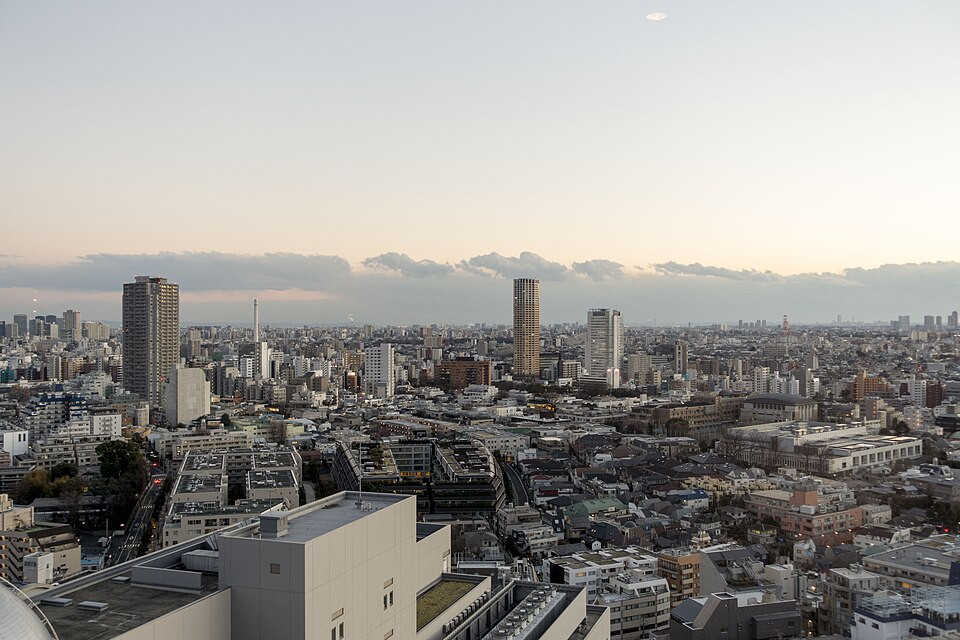
Tokyo skyline photograph: Wikimedia Commons, CC0. Taken in January 2015.
Cash or card in Japan? Prepare for both
A practical starting point is a bank card for businesses that accept it, plus Yen for cash payments and a reserve. Before travelling, check your card issuer’s overseas purchase and withdrawal charges, limits and security requirements.
Japan’s national tourism organisation recommends carrying cash as a backup. Your itinerary matters: check payment methods with smaller accommodation providers, independent businesses and places outside major cities before relying on a card.
| Payment method | Useful for | What to check |
|---|---|---|
| Japanese Yen cash | Cash-only payments and a backup if electronic payment fails | Carry manageable amounts and keep a reserve separately |
| Debit or credit card | Purchases where your card network is accepted | Merchant acceptance, issuer charges and overseas settings |
| Physical IC card | Compatible transport and participating shops | Local coverage, how to buy it and how to add balance; physical Welcome Suica top-ups require cash |
| Mobile IC card | Compatible transport and shops using a supported phone or device | Device, app and payment-card compatibility; set up and test before relying on it |
An IC card is a stored-value card: you add money to its balance and spend it on supported journeys or purchases. It is a separate payment method from a bank card. Neither a transport card nor a phone wallet means every business will accept it.

How much cash should I take to Japan?
There is no single amount that suits every trip. How much Yen to take depends on what you expect to pay for in cash, what you have already paid for and whether you can access a compatible ATM during your trip.
Start with your itinerary. Mark accommodation, activities and transport as prepaid, card, cash or not yet confirmed. Keep flights and other prepaid costs out of your remaining cash calculation. If a hotel wants payment on arrival, confirm its payment method. If you will pay in cash, add it to your one-off cash costs.
| Part of the plan | What to include | Avoid double counting |
|---|---|---|
| Daily cash spending | Purchases you expect to pay for in cash each day | Exclude purchases you will pay for by card |
| One-off cash costs | Confirmed cash payments outside that daily allowance | Exclude anything already included in a daily allowance |
| Cash reserve | A personal fallback amount for unexpected cash needs | This is a reserve, not a spending target |
| Prepaid costs | Record these in your overall holiday budget | Do not add them again to the cash you need |
Cash to budget for = daily cash allowance × number of days + separate one-off cash costs + reserve. This tells you your planned cash requirement. It does not mean you need to carry the whole amount from day one.
How much cash for two weeks in Japan? A worked example
The figures below are hypothetical arithmetic, not estimates of Japanese prices or a recommended travel budget. They assume ¥2,000 of cash purchases per day, ¥3,000 of separate one-off cash costs and a ¥5,000 reserve. Card spending, flights and prepaid bookings sit outside this example.
| Calculation | 7 days | 14 days |
|---|---|---|
| Daily cash purchases: ¥2,000 × days | ¥14,000 | ¥28,000 |
| Separate one-off cash costs | ¥3,000 | ¥3,000 |
| Reserve | ¥5,000 | ¥5,000 |
| Total cash to budget for, including reserve | ¥22,000 | ¥36,000 |
| Initial cash: first 3 days + money set aside for all one-offs + reserve | ¥14,000 | ¥14,000 |
| Planned later top-ups for remaining daily purchases | ¥8,000 | ¥22,000 |
This example sets aside all one-off cash costs from the start, even if you pay them later. The initial ¥14,000 is part of the total, not an extra amount. The reserve may come home unspent. Replace every assumption with your own plans, and arrange a workable top-up route before choosing to take only your initial cash.

Physical Suica and mobile IC cards have different rules
Do not assume every version of an IC card works in the same way. JR East says you can add balance to a physical Welcome Suica with Japanese Yen cash; credit cards cannot be used for those top-ups. Allow for this if you intend to use one.
JR East’s Welcome Suica Mobile is a separate iOS service with its own device and app requirements. Check the official instructions for your chosen card and phone before departure. Set-up, top-up and refund rules vary between products, so avoid buying a larger balance than you expect to use.
See JR East’s physical Welcome Suica purchase and top-up guide and Welcome Suica Mobile requirements.

Watch JR East’s Welcome Suica Mobile introduction
JR East explains its Welcome Suica Mobile service in this official video. Check the operator’s latest instructions alongside it.
Play JR East’s Suica Mobile video
Opening this player loads YouTube, an external video service.
Withdrawing cash in Japan and preparing your Yen
Seven Bank supports withdrawals using a range of overseas card networks, but warns that some cards may not work even if they show an accepted logo. Charges and service hours can vary. Check its official overseas-card ATM guidance, then confirm your issuer’s withdrawal charges and limits.
Locate a compatible ATM along your route before your cash runs low. Keep your physical bank card and know the PIN you may need. Carry a separate payment fallback rather than depending entirely on one phone, card or ATM.
Before departure, check our current travel money exchange rates. An exchange rate is how much foreign currency you receive for each pound; rates change. Read our currency collection information and speak to the team about Japanese Yen and your travel date before making plans around availability.
Find contact details and opening hours for our London Bridge store or Canary Wharf store.
Japan cash FAQs
How much cash should I take to Japan?
Add your expected cash purchases, separate one-off cash costs and a reserve. Exclude prepaid items and purchases you will pay for by card. Decide how much to bring initially only after checking your options for accessing more cash.
How much cash do I need for two weeks in Japan?
Use 14 days of your own daily cash allowance, then add separate one-off costs and a reserve. Our worked example shows the calculation, not what Japan costs. Your total holiday budget will also need to cover card spending and any bookings still to pay.
Can I rely entirely on cards in Japan?
It is sensible to have some Yen as a backup because merchant acceptance and card compatibility vary. Check with your accommodation and any businesses where a failed payment would disrupt your plans. A second card can be useful, but it does not replace cash at a cash-only business.
Can I top up Suica with a credit card?
JR East says physical Welcome Suica top-ups require Yen cash and cannot be made by credit card. Other physical and mobile products have different rules. Check the instructions for the exact product you intend to use.
What should I do with leftover Yen?
Keep it safely for another trip or ask about exchanging eligible notes when you return. Check the current ACE-FX sell currency information and confirm what we can accept before visiting. An unused IC-card balance is separate from physical cash and follows that product’s rules.
Sources and payment checks
This guide uses Japan National Tourism Organization payment guidance, JR East’s product instructions and Seven Bank’s overseas-card guidance, checked on 6 November 2026. Follow the linked operator instructions for your exact card, device and journey; requirements can change.