 Since 2007
Cultural Etiquette in Thailand
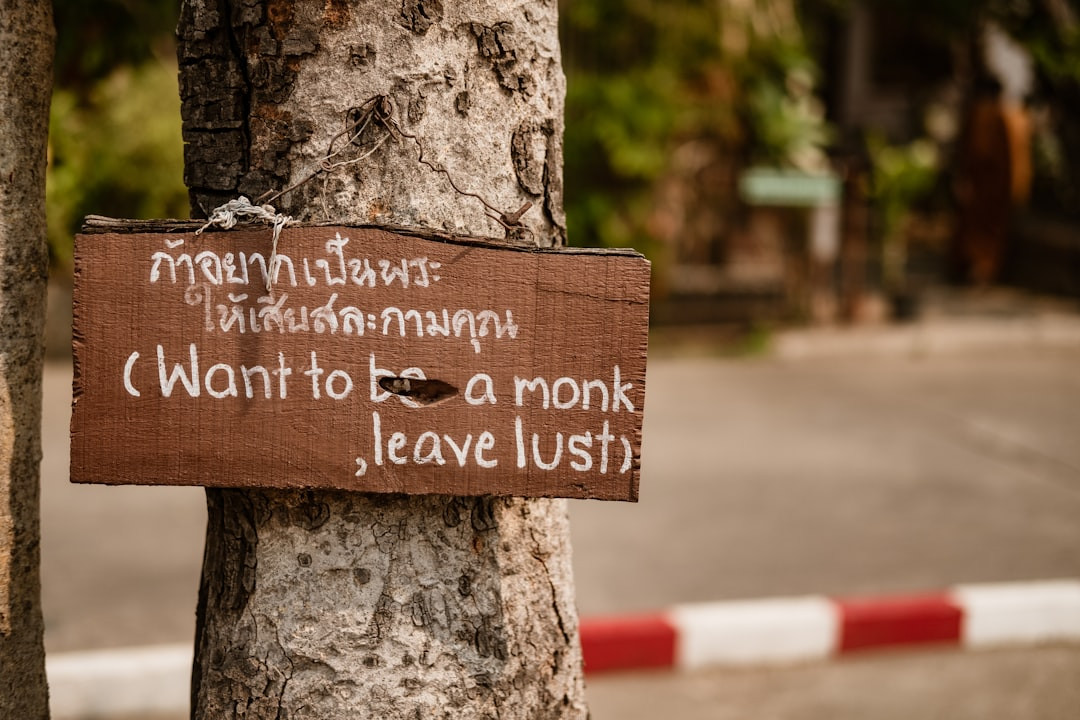
Cultural Etiquette in Thailand: Your Ultimate Guide to Thai Etiquette and Customs
Welcome to Thailand, a land of stunning landscapes, vibrant cities, and a rich cultural heritage. To fully appreciate and respectfully navigate this beautiful country, understanding Thai etiquette and customs is essential. This ultimate guide will help you understand the nuances of Thai culture, ensuring a smooth and enriching experience during your visit.
Understanding Thai Culture

The Importance of Manners in Thailand
Manners are paramount in Thailand. Thai people place great emphasis on politeness and respect. Understanding cultural etiquette in Thailand involves being mindful of your actions and words. Demonstrating good manners is not just polite; it's a way to show respect for Thai culture and the local customs and etiquette that govern daily interactions in Thai society. The importance of etiquette in Thailand cannot be overstated, as it reflects deeply held values within the community.
Common Cultural Norms
Understanding Thai cultural norms is essential for visitors. To avoid inadvertently committing a faux pas, be mindful of customs such as:
- The "wai," a traditional greeting involving palms together and a slight bow, is used to show respect.
- Removing shoes before entering homes or temples.
Public displays of affection are also generally frowned upon.
Respecting the Royal Family
Respect for the royal family is deeply ingrained in Thai culture. Any criticism or disrespect towards the royal family is considered extremely rude in Thailand. When visiting Thailand, it's essential to be mindful of this sensitivity and avoid any actions or comments that could be perceived as disrespectful. Showing respect is paramount and reflects an understanding of the profound significance of the royal family to the Thai people.
Greetings and Interactions in Thailand

Traditional Thai Greetings
The traditional Thai greeting, known as the "wai," is a fundamental aspect of Thai etiquette and Thai culture. This beautiful gesture involves placing your palms together in a prayer-like position and bowing your head slightly. The height of your hands relative to your face indicates the level of respect you are showing. The "wai" is used as a respectful greeting, a way to say thank you, or to show reverence. Learning the nuances of this greeting is essential for anyone visiting Thailand.
Gestures to Avoid: Pointing with Your Feet
When interacting with Thai people, it's essential to be aware of gestures that are considered rude in Thailand. One such gesture is pointing with your feet. In Thai culture, the feet are considered the lowest and least sacred part of the body. Therefore, pointing with your feet is highly disrespectful. Avoid using your feet to point at objects or people, especially images of the royal family or monks. Being mindful of this custom is a crucial aspect of cultural etiquette in Thailand.
Using Your Right Hand for Communication
In Thai culture, the right hand is considered cleaner and more polite than the left. When passing objects to someone or receiving something, always use your right hand or both hands. Avoid using your left hand alone, especially when interacting with elders or monks. This practice extends to eating; use your right hand to handle food. This is an essential element of Thai etiquette to know before visiting Thailand to ensure smooth and respectful interactions. It is very respectful to use your right hand for communication.
Etiquette in Religious Settings

Visiting Temples: Do's and Don'ts
Visiting temples in Thailand requires adherence to specific dos and don’ts. As a sign of respect, remove your shoes before entering a temple building. Dress modestly, covering your shoulders and knees. Avoid loud conversations and disruptive behaviour. Photography is generally allowed, but refrain from using flash. Understanding these etiquette do’s and don’ts is crucial for showing respect when visiting a temple and immersing yourself in Thai culture.
Dressing Appropriately for Religious Sites
Dressing appropriately is vital when visiting religious sites in Thailand. Both men and women should ensure their shoulders and knees are covered. Avoid wearing revealing clothing, such as tank tops, shorts, or overly tight outfits. Many temples offer sarongs or wraps for visitors who are not appropriately dressed, but it's best to come prepared. Adhering to these dress code guidelines demonstrates respect for Thai cultural and religious customs and etiquette.
Behaviour Inside Temples
Inside temples, maintain a respectful demeanour. Speak softly and avoid making loud noises. Do not point your feet at Buddha images or monks, as the feet are considered the least sacred part of the body. When sitting, avoid pointing the soles of your feet towards anyone. If you are unsure about proper etiquette, observe how the Thai locals behave and follow their example. Maintaining respectful behaviour in Thai temples is very important.
Business Culture in Thailand

Understanding Thai Business Etiquette
Navigating the business landscape in Thailand requires a solid understanding of Thai business etiquette. The foundation of successful business interactions in Thailand is showing respect for hierarchy and seniority. Decision-making is often centralised. It's essential to cultivate relationships with key individuals. Be punctual for meetings, as it shows respect for their time, and it is part of the cultural etiquette in Thailand. This is especially important when visiting Thailand for business.
Building Relationships in a Business Context
Building strong relationships, or "knowing people," is crucial for success in Thailand's business environment. Thai people value personal connections. Take the time to get to know your Thai counterparts on an individual level. Engage in small talk before diving into business discussions. Social events and shared meals are excellent opportunities to build rapport and trust with your Thai friends. This approach to building relationships aligns well with Thai culture and customs.
Meeting Etiquette and Protocols
When attending business meetings in Thailand, it's essential to adhere to specific etiquette protocols. To demonstrate cultural etiquette in Thailand, remember to:
- Arrive on time and dress professionally.
- Initiate the “wai,” Thailand’s traditional greeting.
- Exchange business cards with your right hand.
- Allow senior members to speak first and show respect for their opinions.
- Be patient during discussions, as decision-making can be a slow process.
Everyday Etiquette and Customs

Dining Etiquette in Thailand
Dining etiquette in Thailand reflects Thai cultural values. When dining with Thai people, wait for the host to initiate eating. Use your right hand to handle food. Avoid pointing with your chopsticks or utensils. Do not take the last serving from a communal dish unless offered. Offering food to others is a polite gesture and showcases respect for Thai culture. When in Thailand, keep those customs and etiquette in mind.
Common Social Customs
Here are some common social customs that influence interactions with Thai people. When interacting with Thai people, it is essential to:
- Use the "wai," Thailand's traditional greeting, appropriately.
- Show respect for elders and those in positions of authority.
- Avoid public displays of anger or frustration; maintain a calm, composed demeanour.
Respecting these customs is a fundamental part of Thai etiquette.
Interacting with Thai Locals
When interacting with Thai locals, adopt a respectful and considerate approach. Show interest in their culture and customs. Speak politely and avoid raising your voice. Be patient and understanding, as language barriers may exist. Learn a few basic Thai phrases, such as "Sawasdee" (hello) and "khop khun" (thank you), to show your appreciation. Showing genuine interest in the people in Thailand is the key to respectful interaction.